
Cyprus is one of the world’s oldest wine-producing countries, with a history that stretches back over 6,000 years. Today, this deeply traditional wine culture is entering a new era, as wine AI begins to influence how...
Read moreDetails
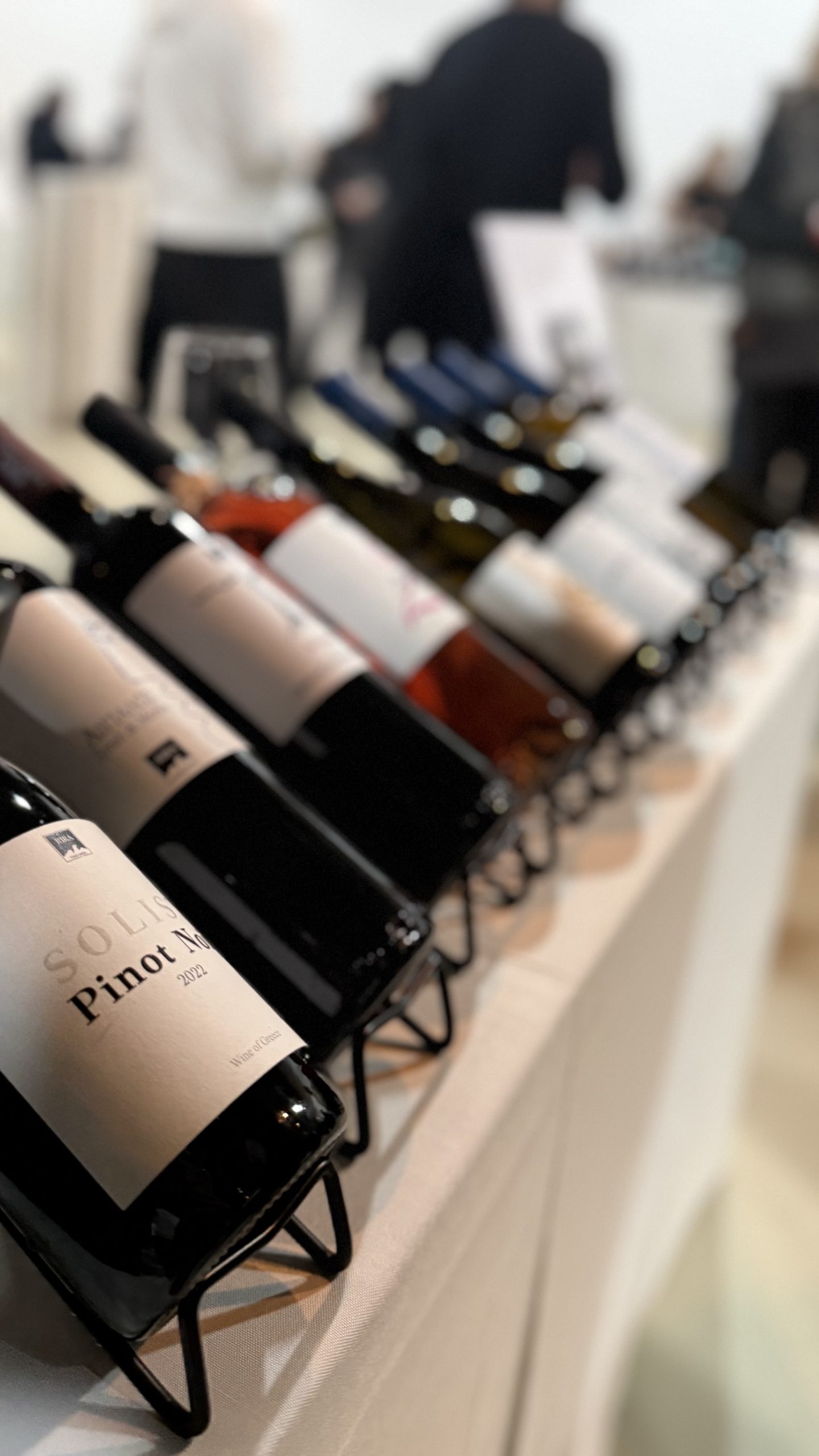
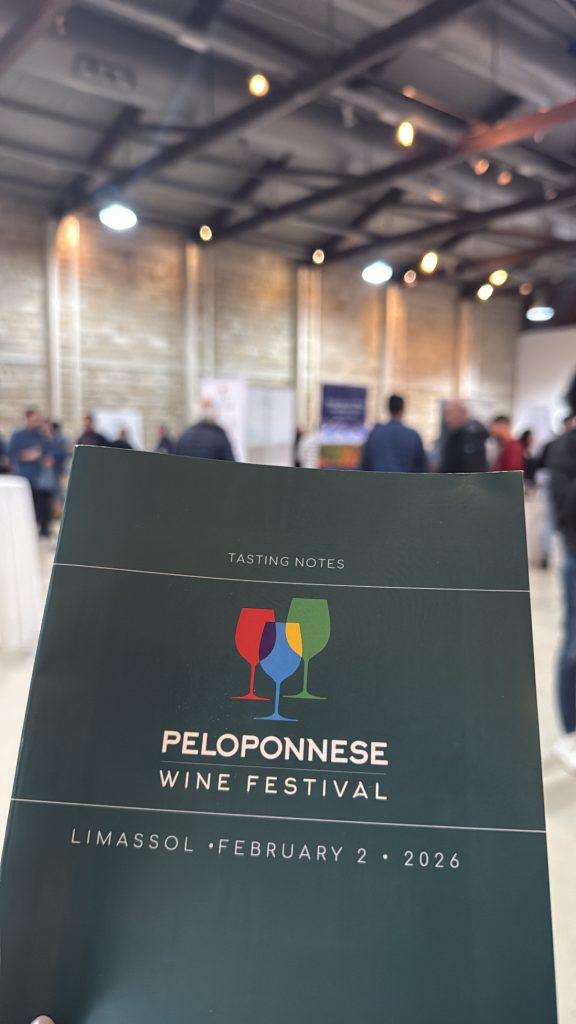
Monday afternoon at Carob Mill felt less like a typical wine tasting and more like stepping into the heart of the Peloponnese itself. Twenty-five selected wineries from the largest vineyard in Greece transformed the historic venue into a living map of Greek terroir, and for eight hours, Limassol became the meeting point between ancient winemaking traditions and contemporary vision.
The Peloponnese Wine Festival has carved out something unique in our local wine calendar. While we’re fortunate to have regular tastings throughout the year, this event offers something different—a concentrated dive into a single region’s diversity, brought directly to us by the people who make the wines.
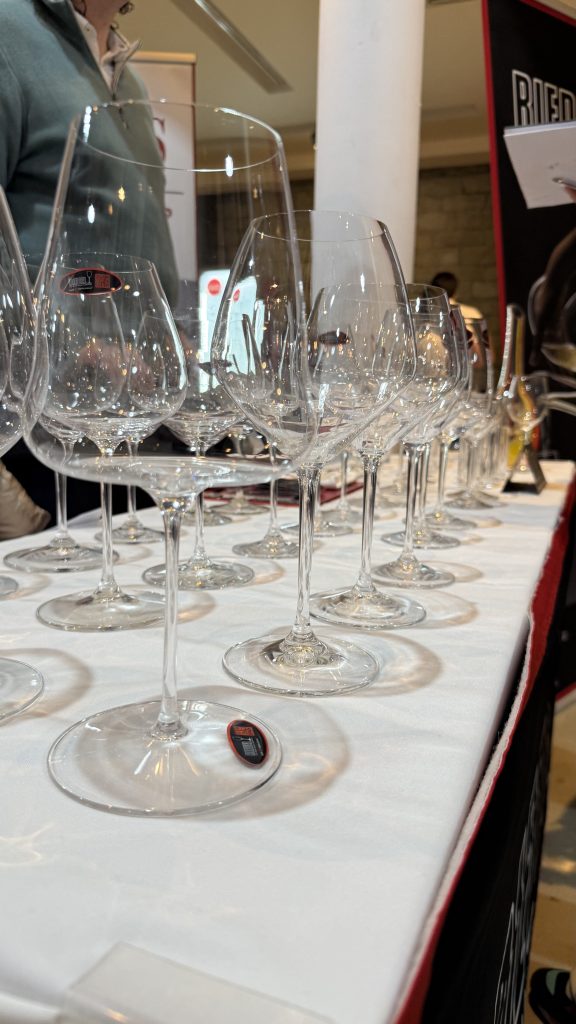

What struck me immediately was the access. This wasn’t a parade of bottles on tables with brief tasting notes. The winemakers themselves were pouring, discussing, debating. I found myself in a 20-minute conversation about the impact of altitude on Moschofilero with a producer whose vineyard sits at 850 meters. Another winemaker walked me through the reasoning behind their minimal intervention approach to Agiorgitiko, explaining how they’re letting the grape express the iron-rich soils of Nemea without getting in the way.
The format worked beautifully. The main tasting ran from noon until 8 PM, giving both professionals and enthusiasts time to move at their own pace. I appreciated not feeling rushed—there’s nothing worse than trying to absorb complex wines while jostling for position at crowded tables.
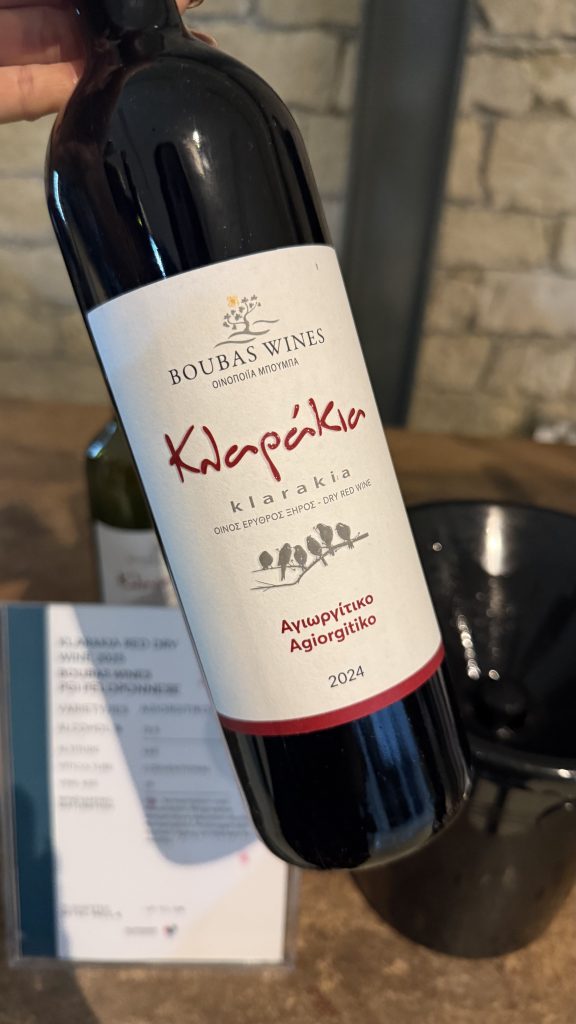
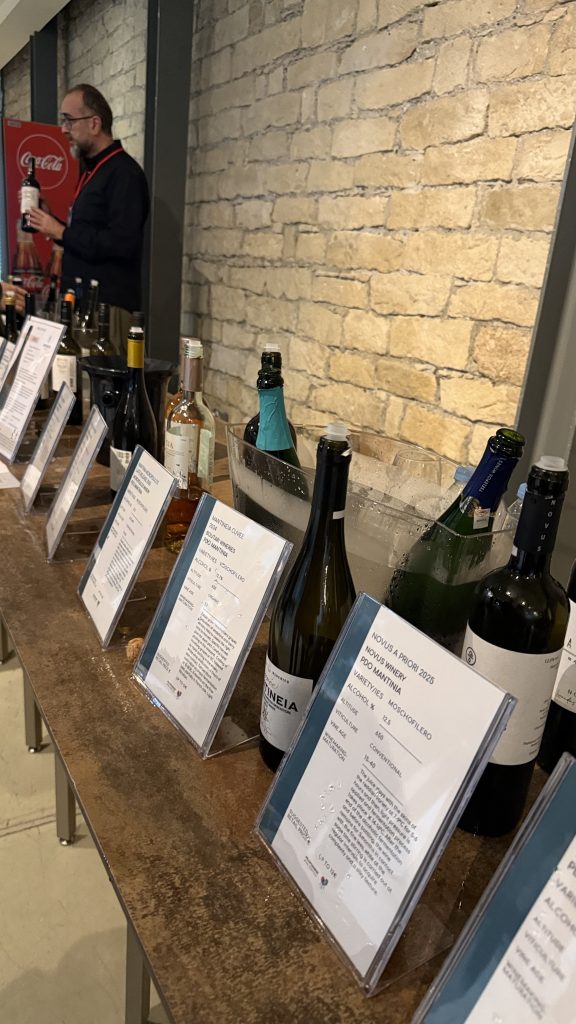
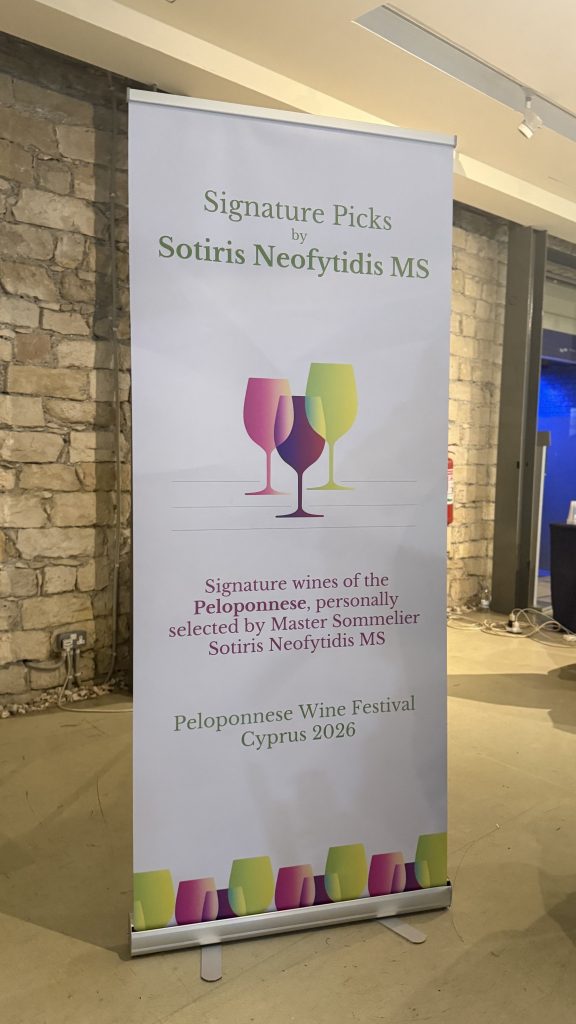
From 2 PM onward at the Peloponnese Wine Festival, the “Signature Picks” tasting offered a guided thread through the broader landscape. Sotiris Neofytidis, Master Sommelier and the only MS in Cyprus, curated a selection of wines that represented both their producers and the broader identity of Peloponnesian winemaking.
Neofytidis’s selections told a story—not just of individual excellence, but of how diverse microclimates, altitude variations, and winemaking philosophies can coexist within a single region. We tasted everything from high-acid mountain whites that practically vibrated with minerality to structured, age-worthy reds that spoke of patience and restraint.
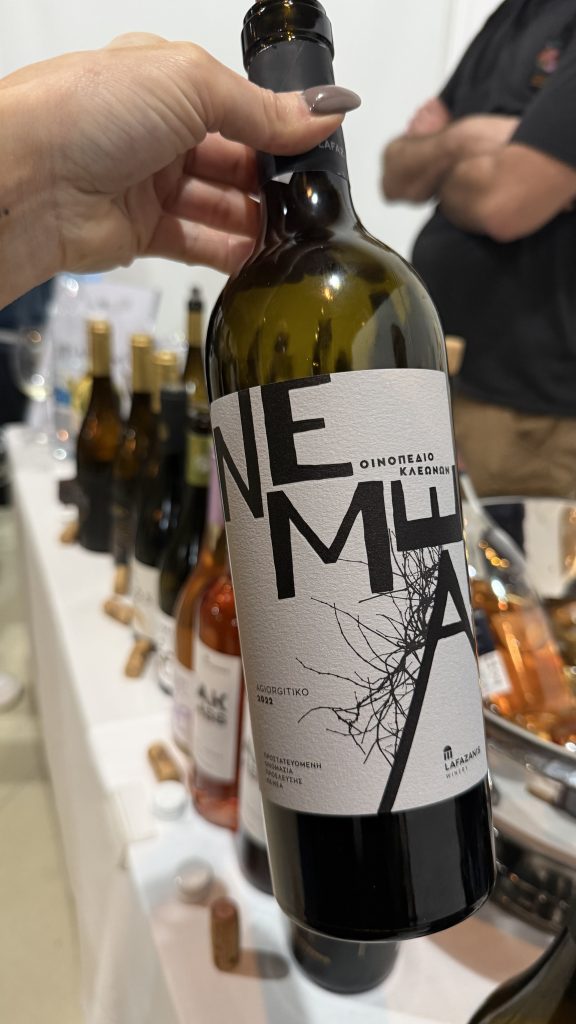
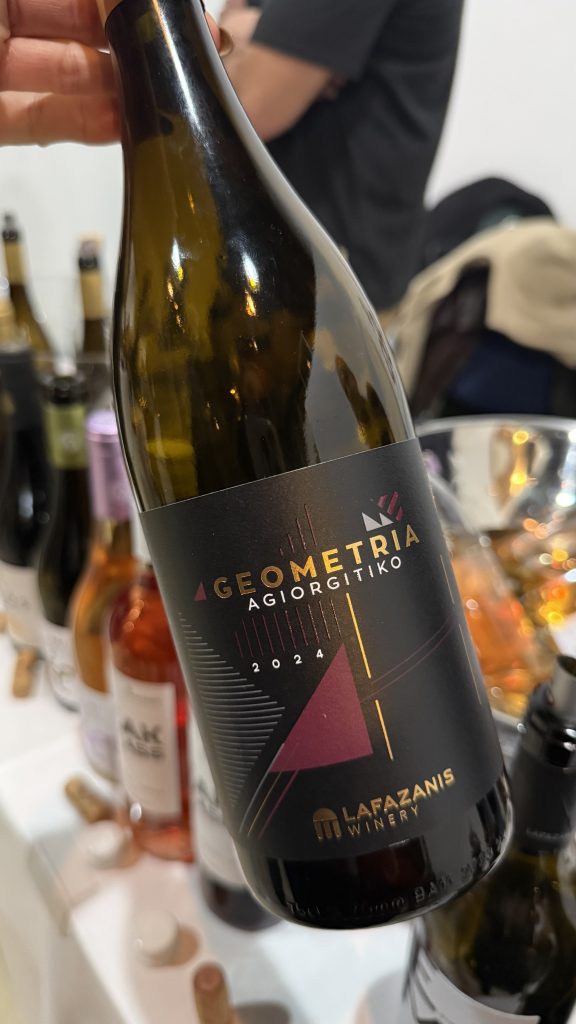
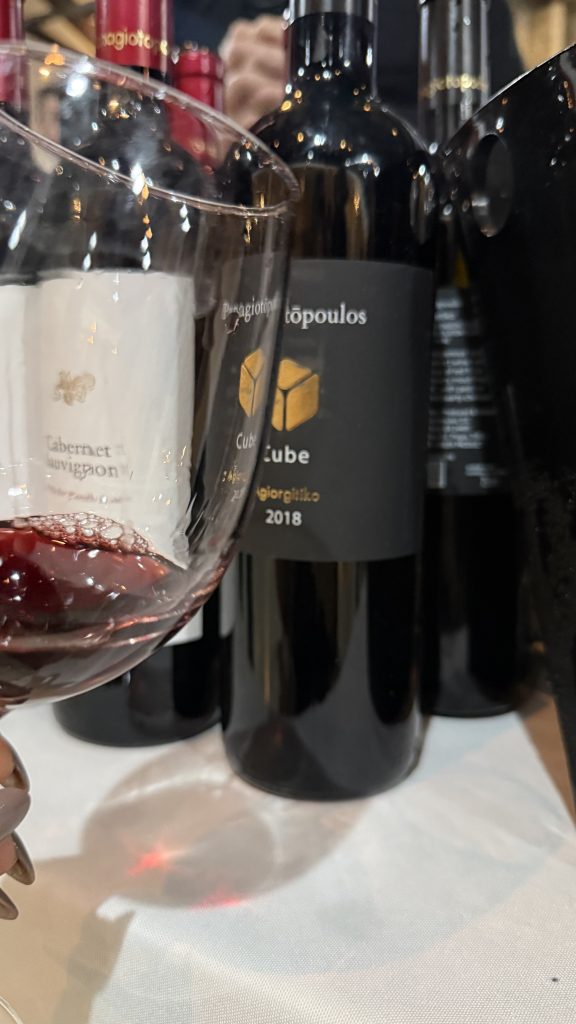
If there’s a through-line in contemporary Peloponnesian winemaking, it’s confidence. These producers aren’t trying to mimic international styles or chase trends. They’re deeply engaged with their indigenous varieties—Moschofilero, Agiorgitiko, Assyrtiko, Roditis—and they’re making wines that are unapologetically Greek.
Several themes emerged throughout the day:
The continued refinement of Agiorgitiko is remarkable. Once pigeonholed as a simple, fruity red, I tasted versions on Monday that ranged from elegant, Pinot-esque interpretations to powerful, structured wines built for aging. The versatility of this grape is finally getting the attention it deserves.
High-altitude viticulture is clearly a focus. Multiple producers emphasized their elevation, and it shows in the wines—bright acidity, pronounced aromatics, and a freshness that keeps you reaching for another glass. Climate change isn’t explicitly discussed at every table, but the move upward is telling.
There’s a growing interest in experimentation within tradition. Natural fermentation, extended skin contact on whites, amphora aging—these techniques are being employed not as gimmicks but as tools to more fully express terroir. The results are compelling.
The PDO and PGI wines from different regions of the Peloponnese formed the backbone of the Peloponnese Wine Festival, and they’re a masterclass in how geographical designation can actually mean something. Nemea, Mantinia, Patras—each region brought its own personality to the table. The contrast between a Mantinia Moschofilero and a Patras Roditis, for instance, was a geography lesson in a glass.
Hosting this festival in Limassol isn’t just convenient geography. There’s a conversation happening between Greek and Cypriot winemaking that benefits both. We share indigenous varieties (Xynisteri and Assyrtiko are cousins, after all), we face similar climate challenges, and we’re both working to elevate our wines on the international stage.
Watching Cypriot wine professionals engage with their Greek counterparts throughout the day, I was reminded that wine regionalism isn’t about competition—it’s about learning, sharing, and lifting each other up. The questions being asked were thoughtful: How are you managing water stress? What’s your approach to sulfites? How do you balance tradition with market demands?
The Peloponnese Wine Festival delivered exactly what a good wine event should: discovery, conversation, and a deepened appreciation for a region’s work. I left with a mental list of wines to seek out, producers to follow, and a renewed respect for the Peloponnese as a world-class wine region that’s still writing its story.
If you missed Monday’s event, I’d encourage you to seek out these wines. Ask your local wine shops about Peloponnesian producers. The region deserves more attention than it gets, and events like this are helping to change that narrative—one glass at a time.
What were your takeaways from the festival? I’d love to hear which wines surprised you or which conversations stuck with you. Drop a comment below or find us on social.
Event Details: Peloponnese Wine Festival
Date: Monday, February 3, 2026
Location: Carob Mill Restaurants, Limassol
Participants: 25 Peloponnese wineries
For more information about the next Peloponnese Wine Festival follow them on Facebook.

Cyprus is one of the world’s oldest wine-producing countries, with a history that stretches back over 6,000 years. Today, this deeply traditional wine culture is entering a new era, as wine AI begins to influence how...
Read moreDetails